

1.5 m3 Concrete Batching Plant
2025.12.24
In small and medium-sized infrastructure projects, precast component production, and rural revitalization supporting construction, the adaptability, stability, and cost-effectiveness of concrete mixing equipment directly determine project efficiency and construction quality. The 1.5 m3 concrete batching plant, as the core product of the HZS series concrete batching plants, has become the preferred equipment for concrete mixing in small and medium-sized projects due to its precise capacity positioning, modular core configuration, and all-condition adaptability. Its technical design meets the core needs of professional construction scenarios.
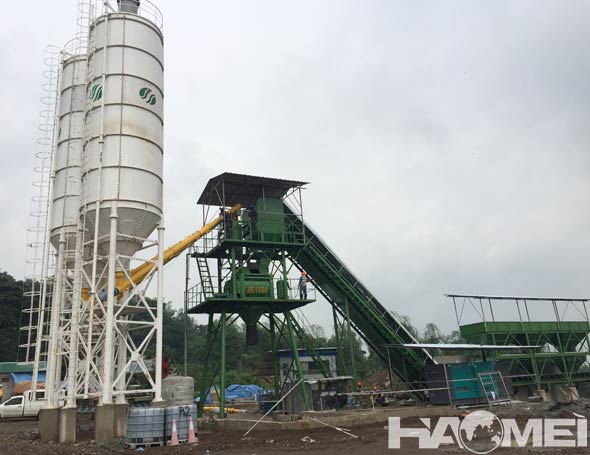
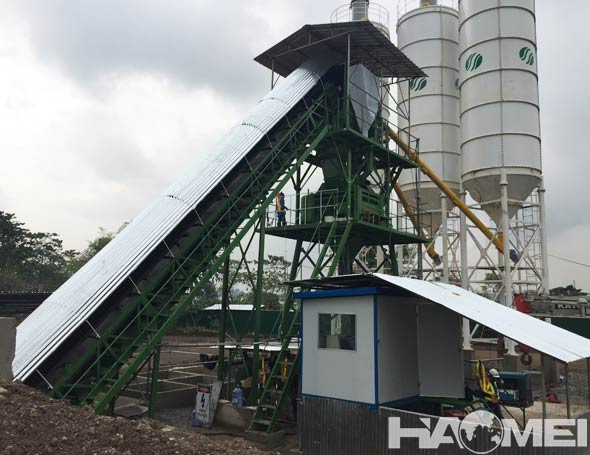
From the model definition, 1.5 m3 concrete batching plant belongs to the industry-standard HZS series, corresponding to models such as HZS75 or HZS90. Its theoretical design capacity can reach 75/90 cubic meters/hour (calculated based on a standard mixing cycle of 45 seconds). The actual capacity can be stabilized at 60-75 cubic meters/hour depending on factors such as aggregate moisture content and concrete grade, fully meeting the capacity requirements for continuous construction in small and medium-sized projects.
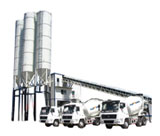
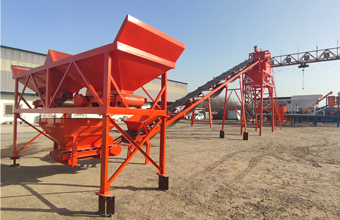
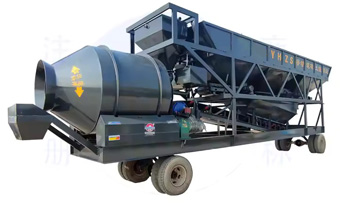
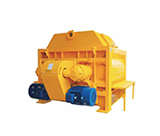
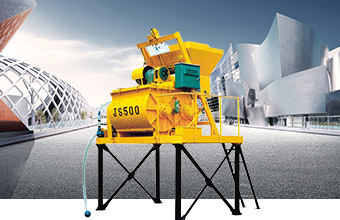
Taking the HZS90 concrete batching plant as an example, in terms of core configuration, this plant adopts a modular integrated design, and all key components have undergone rigorous selection and adaptation verification. The main unit is a JS1500 twin-shaft forced concrete mixer with a mixing shaft speed of 28 rpm. It is equipped with 6 sets of high-strength mixing blades and wear-resistant liners (the liner material is NM450 wear-resistant steel with a thickness of ≥12mm), which can achieve strong shearing and uniform mixing of aggregates and cementitious materials, with a mixing homogeneity error of ≤5%. The batching system is equipped with a PLD2400 four-bin batching machine, with each bin having an effective volume of 1.2 cubic meters. It features high-precision weighing sensors (accuracy class 0.1%) and a variable frequency speed control feeding device, enabling precise batching of aggregates such as sand and stone, with batching errors controlled within ±1%. The powder storage and conveying system is equipped with two 100-ton cement silos (the silos are made of Q235B steel plates with a thickness of ≥6mm, equipped with dust collectors and level gauges on the silo top), paired with an LSY219 screw conveyor (conveying capacity ≥30 cubic meters/hour) to ensure stable conveying and moisture-proof storage of cement, fly ash, and other powders. The water and admixture system adopts a dual-metering design, equipped with an electromagnetic flow meter (accuracy ±0.5%) and a metering pump, enabling precise addition of admixtures to meet the performance requirements of different grades of concrete. Furthermore, the entire system is equipped with a self-developed PLC control system and a 10-inch touchscreen, enabling automated control of the mixing process, real-time parameter monitoring, and fault alarms. It is easy to operate and highly reliable.
Compared to competing products of the same capacity level, 1.5 m3 concrete batching plant boasts three core technological advantages:
First, high efficiency and energy saving. The JS1500 main unit adopts a variable frequency start design, with a starting current ≤ 1.5 times the rated current, reducing energy consumption by more than 30% compared to direct start. Simultaneously, the optimized design of the mixing blades reduces material adhesion and minimizes ineffective energy consumption.
Second, wear-resistant and durable. Key wear-resistant components are made of high-grade wear-resistant materials. Third-party testing shows that the liner service life can reach over 8000 mixing hours, 50% longer than ordinary materials, significantly reducing subsequent maintenance costs.
Third, strong adaptability. By adjusting mixing parameters and ingredient ratios, it can adapt to various working conditions such as C15-C50 ordinary concrete, pumped concrete, and fine aggregate concrete. The modular design facilitates transportation and installation, and the on-site installation and commissioning cycle can be controlled within 7-10 days, significantly shortening the project preparation cycle.
In terms of application scenarios, 1.5 m3 concrete batching plant, with its precise capacity positioning and stable performance, has been widely used in rural roads, small and medium-sized bridges, municipal pipelines, residential building supporting projects, and precast component plants (such as precast floor slabs and inspection wells). In practical application cases, in rural road construction projects, 1.5 m3 concrete batching plant can still stably produce concrete that meets requirements despite complex working conditions such as high altitude and low temperature. In precast component plants, through linkage with automated material placement systems, it has achieved mass production of precast components, increasing production efficiency by more than 25% compared to traditional equipment. The export version can also be customized according to the voltage standards (such as 110V/60Hz) and environmental requirements (such as European emission standards) of the target market, and has been successfully exported to more than 20 countries and regions in Southeast Asia and Africa, adapting to different regional construction environments and technical standards.
In summary, the 1.5 cubic meter concrete batching plant, with its precise capacity design, reliable core configuration, significant technological advantages, and wide adaptability, provides an efficient and stable concrete mixing solution for small and medium-sized projects. Its modular design, high cost-effectiveness, and customization capabilities not only meet the construction needs of small and medium-sized projects, but also adapt to the differentiated requirements of overseas niche markets, making it a core equipment with both technical strength and market competitiveness.

Maybe you also like
▶ Previous:Best Concrete Batching Plant Manufacturers In The Philippines
▶ Next:Back To List

