

What is On Site Concrete Batching Plant?
2026.11.04
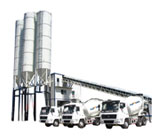
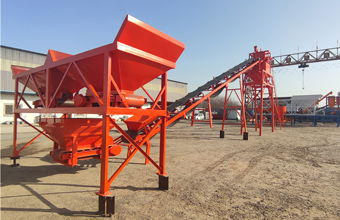
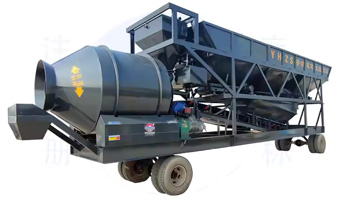
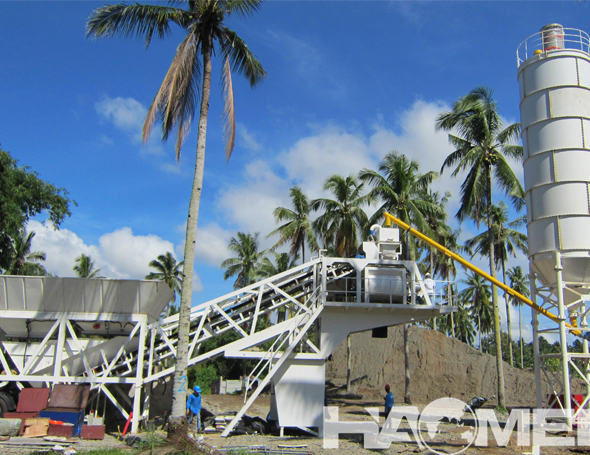
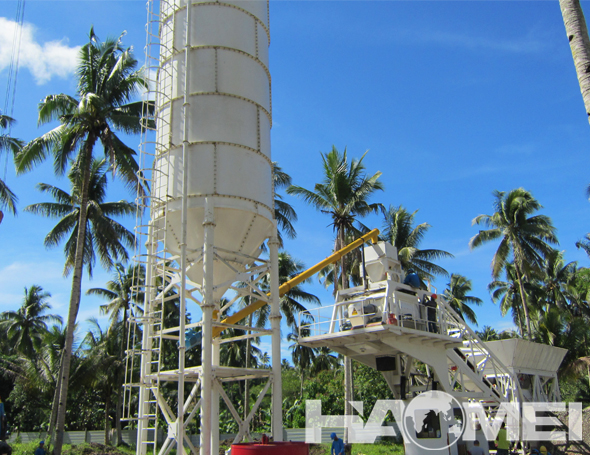
In scenarios where a construction site is located far from a commercial ready-mix concrete plant, road transport is restricted, or continuous concrete pouring is required, a mobile concrete batching plant allows for on-site concrete production. This eliminates the need to wait for concrete transit mixers and helps prevent issues such as material segregation during transport or the loss of concrete slump.A China on site concrete batching plant integrates aggregate proportioning, mixing, metering, control systems, and a transport chassis into a single, towable modular unit. Once the equipment arrives on-site, it can be made operational following site preparation (ground hardening), utility connections (water and electricity), and the installation of cement silos and conveyor belts. Typically, the installation process takes only 3 to 7 days, making these plants better suited than stationary facilities for road and bridge construction, water conservancy projects, precast production yards, and remote mining sites.
Common On Site Concrete Batching Plant Models
|
Model |
Theoretical Capacity |
Mixing Unit |
Suitable Projects |
FOB Reference Price |
|
YHZS25 |
25 m³/h |
JS500 |
Small-scale building construction, rural roads |
USD 45,000–65,000 |
|
YHZS35 |
35 m³/h |
JS750 |
Bridges and culverts, precast yards, small-scale road projects |
USD 55,000–85,000 |
|
YHZS50 |
50 m³/h |
JS1000 |
Highways, water conservancy projects, foundation engineering |
USD 80,000–125,000 |
|
YHZS60 |
60 m³/h |
JS1000 or JS1500 |
Medium-scale road projects, long-term construction projects |
USD 100,000–160,000 |
|
YHZS75 |
75 m³/h |
JS1500 |
Large-scale infrastructure projects |
USD 140,000–210,000 |
Core Components of a Mobile Batching Plant
A typical YHZS60 mobile concrete batching plant consists of the following:
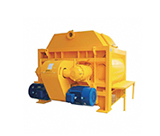
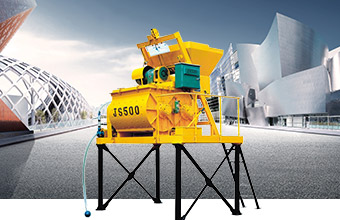
JS1000 Twin-Shaft Mixer: Produces approximately 1 m³ per batch; typically equipped with two 18.5 kW motors.
PLD1600 Aggregate Batcher: Features a 3-bin or 4-bin design for storing sand, 5–10 mm crushed stone, 10–20 mm crushed stone, and 20–40 mm crushed stone.
Cement Weighing System: Cement weighing accuracy is typically ±1%.
Water and Admixture Weighing System: Designed for the automatic dosing of additives such as water-reducing agents, antifreeze, and set retarders.
Mobile Chassis and Towing Mechanism: Facilitates relocation between different construction sites.
PLC Control System: Capable of storing mix proportions, printing production records, and monitoring the weighing data for all materials.
Aggregate weighing accuracy is typically ±2%, while the weighing accuracy for powder materials, water, and liquid admixtures can reach ±1%. When producing structural concrete—such as C30 or C40 grades—consistent batching accuracy is more critical than simply increasing the mixing speed.
Operational Workflow at the Construction Site
A loader feeds sand and gravel into a PLD-series batching machine. The control system weighs the aggregates according to the specified mix design, which are then transported via a conveyor belt or skip hoist into a JS-series twin-shaft mixer. Cement is conveyed from silos via a screw conveyor into a cement scale, while water and admixtures are measured through separate piping systems before being introduced into the mixer.
Once all materials have entered the mixer, the twin-shaft paddles perform forced mixing. For standard concrete, the mixing time typically ranges from 45 to 90 seconds; however, when using manufactured sand with a high fines content or producing high-strength concrete, this duration may be extended to 90–120 seconds. After mixing, the concrete is discharged directly into transit mixers, hoppers, concrete pump trucks, or molds for precast components.
Choosing Between On Site and Stationary Concrete Batching Plants
Mobile concrete batching plants are ideal for projects lasting between six months and three years, or for sites where space is limited or relocation may be required. The equipment can be disassembled for transport and redeployed to subsequent projects, ensuring high asset utilization.
Stationary concrete batching plants—such as the HZS60 or HZS90 models—are better suited for long-term commercial concrete supply or projects requiring a daily output exceeding 600 m³. These stationary setups can accommodate larger aggregate storage bins, 200-ton cement silos, enclosed material yards, and sand-gravel separation systems, offering superior continuous supply capacity.Haomei Machinery once supplied a YHZS50 mobile concrete plant to a road construction contractor in East Africa. Given the local power grid's instability and the client's need to relocate between different construction sections during the rainy season, we customized the equipment with a diesel generator interface, elevated aggregate bins, and weather-resistant (rainproof) control cabinets. The main components were configured to fit into two 40HQ (high-cube) shipping containers. Upon arrival, the plant was installed and commissioned within six days, successfully meeting the site's daily demand for approximately 350 m³ of concrete.
Haomei Machinery offers China on site concrete batching plants ranging from the YHZS25 to the YHZS90 models. We provide full customization options, including voltage, the number of aggregate bins, cement silo capacity, control system language, and dust-control configurations. Please provide the project location (country), target production capacity, photographs of the aggregates, and the nearest port; we will then supply a detailed equipment layout, a container loading plan, and a comprehensive price quote.


