

Mini Concrete Batch Mix Plant
2026.01.14
In the global wave of lightweight infrastructure construction, mini concrete batch mix plants, with their flexibility, adaptability, and high production capacity, have become core equipment for rural construction, small road projects, and construction in remote areas. As a technical professional deeply involved in the industry, I will now systematically analyze the core value and selection logic of high-quality mini concrete batch mix plants, combining technical principles, performance upgrade trends, and market application practices, to help you accurately match your construction needs.
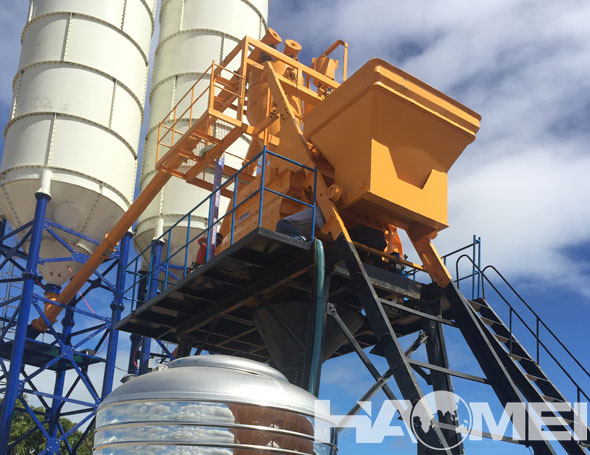
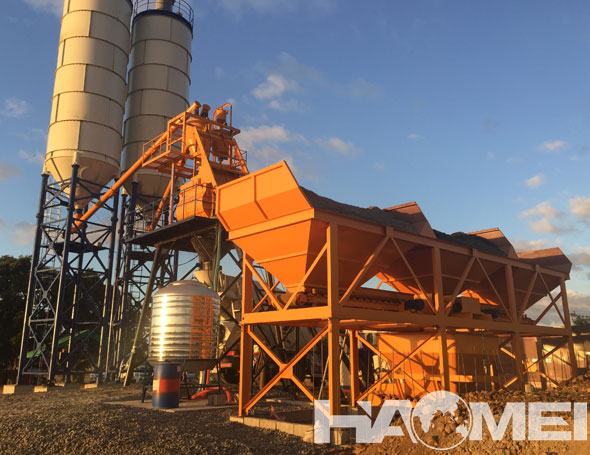
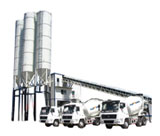
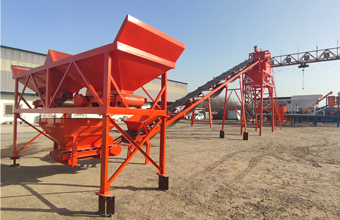
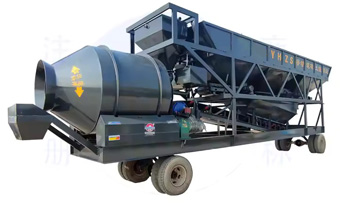
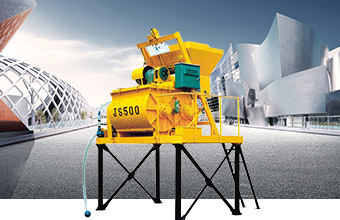
The core technical architecture is key to stable equipment operation and concrete quality assurance. High-quality mini concrete batch mix plants (taking the mainstream HZS25 model as an example) all use the JS500 twin-shaft forced-action main unit. Its high-chromium alloy mixing blades (hardness HRC55 or higher) can achieve stable mixing for more than 100,000 cycles. Combined with a dual-stage "dry mixing + wet mixing" process, 15 seconds of dry mixing ensures uniform cement coating of aggregates, and 30 seconds of wet mixing ensures concrete homogeneity. The mixing cycle is controlled within 72 seconds, with a theoretical production capacity of 25 m³/h and a stable output of 18-20 m³/h under actual working conditions. As a crucial quality control point, the batching system often employs the PLD800 precision batching machine. Its feeding structure, combined with lever and single-sensor metering, achieves precise control of aggregate metering accuracy within ±2% and cement, water, and admixture metering accuracy within ±1%, fundamentally ensuring the stability of concrete strength.
With industry technological iterations, energy saving and intelligentization have become core upgrade directions for mini concrete batch mix plants. Modern mini concrete batching plants, through optimized power system design, have reduced the overall power to around 57KW, saving 15% more electricity than traditional equipment. Simultaneously, the adoption of a bucket elevator aggregate conveying structure significantly reduces the footprint by 30%, better adapting to the layout requirements of confined construction sites. Regarding the electrical control system, high-quality models generally use components from well-known brands such as Schneider Electric (France). The PLC core control module has a response time of ≤100 milliseconds, supporting not only the storage of multiple mix proportions and real-time traceability of production data, but also, in some high-end models, access to a cloud platform for remote operational monitoring, significantly reducing operation and maintenance costs. With increasingly stringent environmental regulations, the application of pulse-jet bag filters (10μm filtration accuracy) reduces dust emission concentrations to ≤10mg/m³, and when combined with a cleaning water recycling system (utilization rate exceeding 90%), it can fully meet environmental compliance requirements in most regions worldwide.
From a market application perspective, the core advantage of mini concrete batch mix plants lies in their precise matching with the needs of emerging infrastructure projects. According to authoritative industry reports, the global mobile concrete batching plant market is projected to grow at a CAGR of 6.6% from 2024 to 2032, with 25-60m³/h models accounting for over 60%, particularly in rural infrastructure projects in Southeast Asia and Africa. Specifically, when the construction and transportation radius is ≤10km, on-site mixing can reduce concrete transportation losses by 15-20%; modular design shortens the equipment installation and commissioning cycle to within 10 days, and a single plant requires only 2-3 people to operate, significantly reducing labor and time costs. Based on Haomei Machinery's export experience, we have optimized the equipment's heat dissipation system and sealing structure for harsh working conditions such as high temperatures and high dust levels. Our customized models have achieved long-term stable operation in projects such as roadbed engineering in Malaysia and residential construction in Ethiopia.
Based on the above technical and market analysis, three core dimensions should be considered when selecting mini concrete batch mix plant equipment to mitigate procurement risks: First, the quality of core components; priority should be given to confirming the brand and reliability verification data of key components such as the main unit and sensors. Second, capacity adaptability; models in the 25-60 m³/h range should be selected based on the project's average daily concrete demand. Finally, after-sales responsiveness; a global service network and rapid repair support are crucial for ensuring construction continuity. Haomei Machinery consistently focuses on technological iteration, continuously optimizing the adaptability and operational stability of mini concrete batch mix plants, providing precise and efficient equipment solutions for lightweight infrastructure projects worldwide.


