

Dry Mix Concrete Plant for Desert Area
2026.10.14
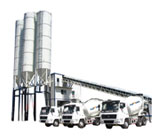
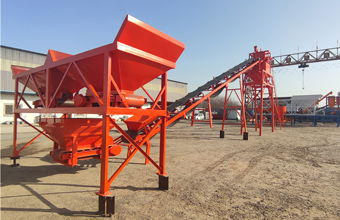
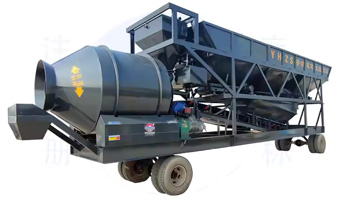
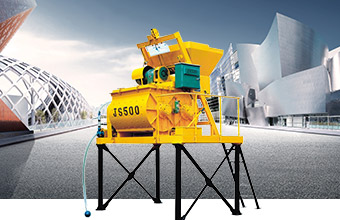
Infrastructure projects in Middle Eastern deserts are typically characterized by extensive delivery radii, high temperatures, heavy dust, and low soil bearing capacity; conventional wet-mix concrete plants often suffer from high failure rates and delivery limitations under these conditions. Haomei Machinery’s dry mix concrete plant for desert area is specially reinforced for extreme environments, balancing long-distance delivery capabilities with high reliability to meet the needs of diverse projects, including highways, railways, new city developments, and oilfield construction.
Capacity Models and Core Structure:
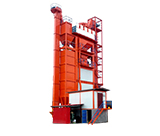
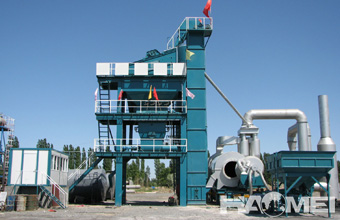
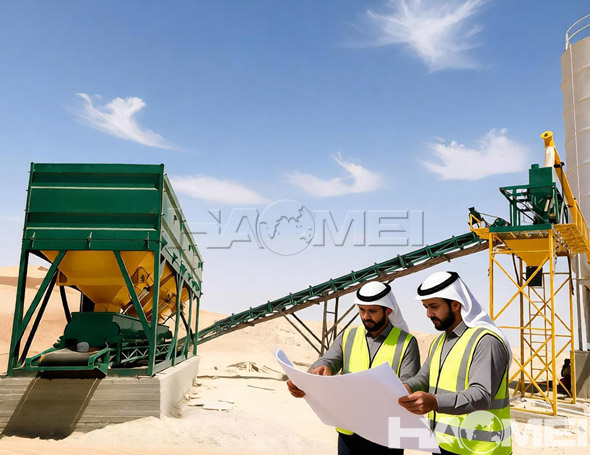
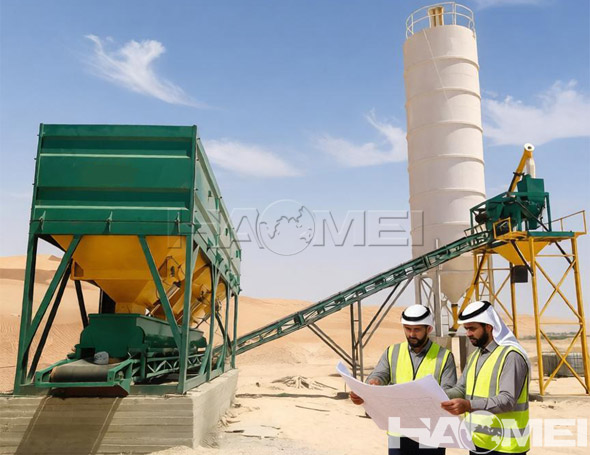
Dry mix concrete plant primarily features three models—HZS60, HZS90, and HZS120—offering theoretical capacities of 60, 90, and 120 m³/h, respectively. Its core structure comprises five modules: the aggregate batching unit, fully enclosed conveying unit, powder metering unit, dry material discharge unit, and PLC control unit. The aggregate unit supports the simultaneous metering of 3–5 types of aggregates, while the powder unit is equipped with screw conveyors and precision electronic scales. The plant utilizes a modular steel design; components can be disassembled for transport in standard 40HQ containers, allowing for on-site installation and commissioning within just 7–10 days.The dry mix plant equipment features an integrated load-distributing base, requiring only a 150mm-thick hardened concrete pad for setup. This eliminates the need for deep foundation construction—making it ideal for soft desert soil—and reduces civil engineering costs by over 40% while shortening the foundation construction timeline.
Specialized Design for Desert Conditions:
- Comprehensive dust-proof sealing is a key design priority.The entire process—from aggregate batching and conveying to discharge—utilizes a sealed structure; belt conveyors are housed in fully enclosed dust-proof galleries with sealed connection points, and powder silos feature reverse dust-prevention devices to block sand and dust backflow. The electrical control cabinet meets IP65 protection standards and incorporates a three-stage air filtration system with over 99% filtration efficiency, effectively preventing fine sand from infiltrating internal components. Dust-proof protective covers are installed on load cells to prevent dust accumulation from affecting accuracy; dynamic aggregate metering error remains stable at ≤±2%, while metering errors for cement and admixtures are ≤±1%, meeting the EN 206 international concrete standard.
- A high-temperature redundant design ensures stable equipment operation.
All motors and gear reducers are selected for a 50°C ambient temperature, with heat dissipation capacity increased by 30% over standard models and motor winding temperature rise controlled within 80K. Forced-exhaust fans are installed atop electrical control cabinets to keep internal temperatures 5–8°C below ambient levels; hydraulic components feature independent air-cooled radiators to stabilize oil temperatures below 55°C, preventing performance degradation or downtime caused by overheating.
- Highly wear-resistant and corrosion-resistant structures extend equipment lifespan.
Aggregate hoppers and conveyor galleries are lined with thickened wear-resistant steel plates—2mm thicker than standard models—to withstand the highly abrasive nature of desert sand and gravel. The main steel structure undergoes a three-layer anti-corrosion treatment (sandblasting, epoxy zinc-rich primer, and polyurethane topcoat) with a total dry film thickness of ≥240μm, effectively resisting structural stress from diurnal temperature fluctuations and abrasion from sand and dust.
Key Application Advantages:
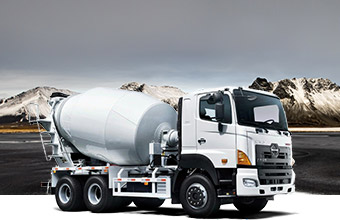
- The dry-mix process accommodates long-distance delivery requirements.Mixing takes place during transit, extending the delivery radius to 50–80 kilometers; this suits the dispersed and remote nature of desert construction sites, eliminating the need for multiple batching plants and reducing overall infrastructure investment.
- On-site water consumption is drastically reduced.
As only dry batching is performed—requiring no mixing water—on-site production water usage is cut by over 60% compared to wet-mix plants, alleviating water supply shortages in desert regions.
- Equipment reliability is enhanced.
A fully enclosed structure minimizes dust intrusion, and moving parts are effectively shielded against dust; the annual failure rate is more than 40% lower than that of standard wet-mix plants, with equipment availability consistently above 95%, thereby minimizing losses due to downtime.
Haomei dry mix plant for desert area is CE-certified and supports customization for local voltages (380V/415V), featuring multilingual operating interfaces in Arabic and English. Haomei provides end-to-end services—ranging from project design and containerized shipping to installation guidance—and ensures rapid delivery of critical wear parts to major Middle Eastern ports. If you require concrete production solutions for desert environments in the Middle East, please contact us for a customized configuration plan and a detailed quotation.

Maybe you also like
▶ Previous:How To Install Concrete Batching Plant Correctly?
▶ Next:Back To List

